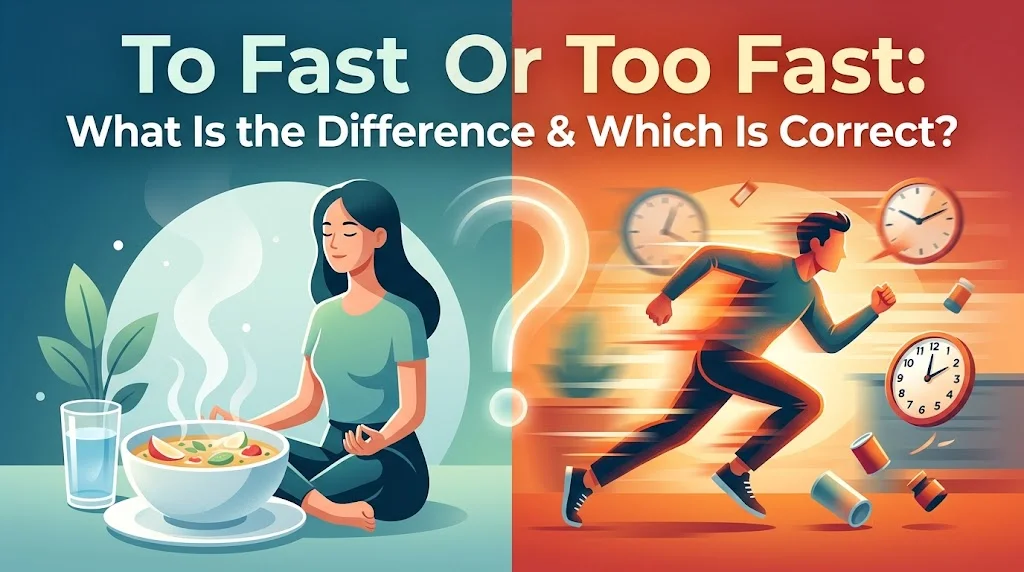
To Fast Or Too Fast: What Is the Difference & Which Is Correct?
“To fast” and “too fast” look and sound similar, but they have completely different meanings and grammatical roles. “To fast” usually refers to the action … Read More
“To fast” and “too fast” look and sound similar, but they have completely different meanings and grammatical roles. “To fast” usually refers to the action … Read More
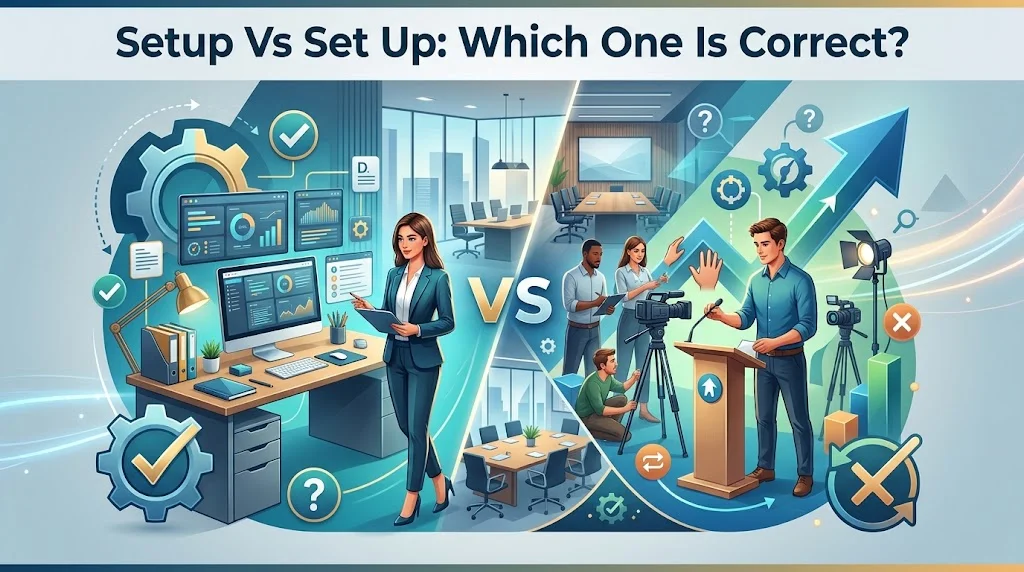
“Setup” and “set up” look almost identical, but they play different grammatical roles. The key difference is simple: setup is usually a noun or adjective, … Read More
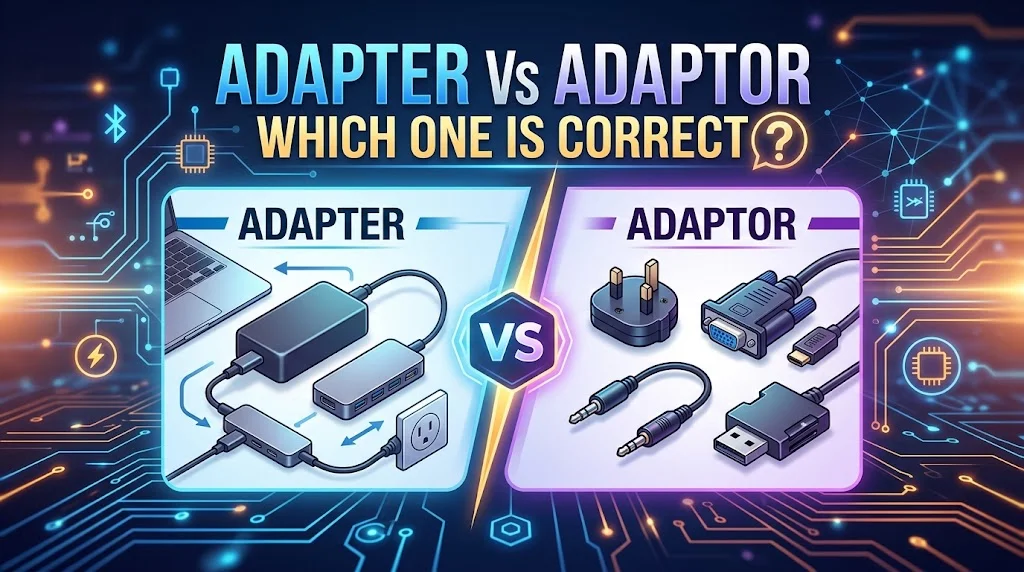
“Adapter” and “adaptor” have the same basic meaning, but their spelling varies by region and context. Both words can describe something that connects, modifies, or … Read More
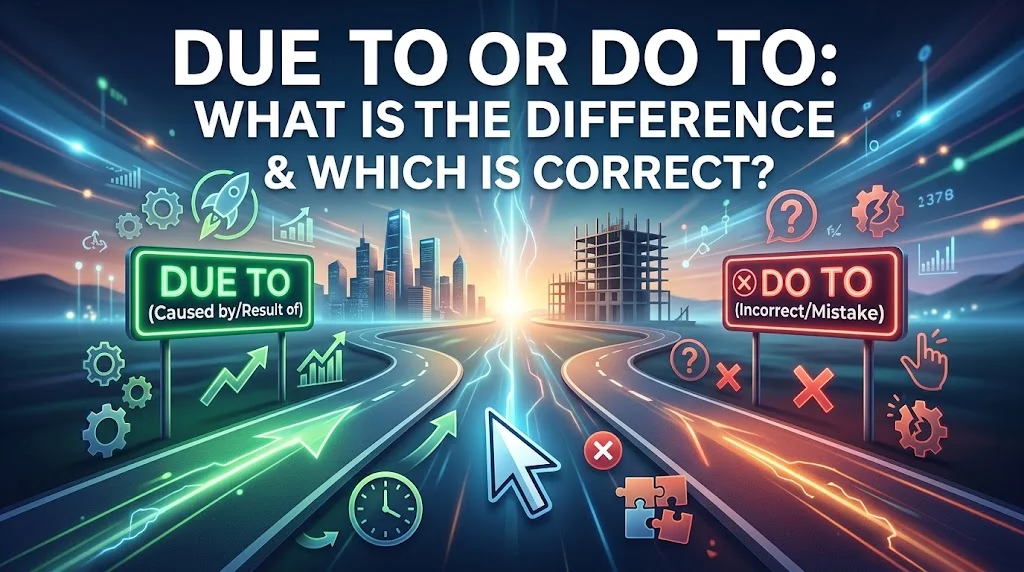
“Due to” and “do to” look and sound similar, but they have completely different grammatical roles. Due to is a standard phrase used to explain … Read More
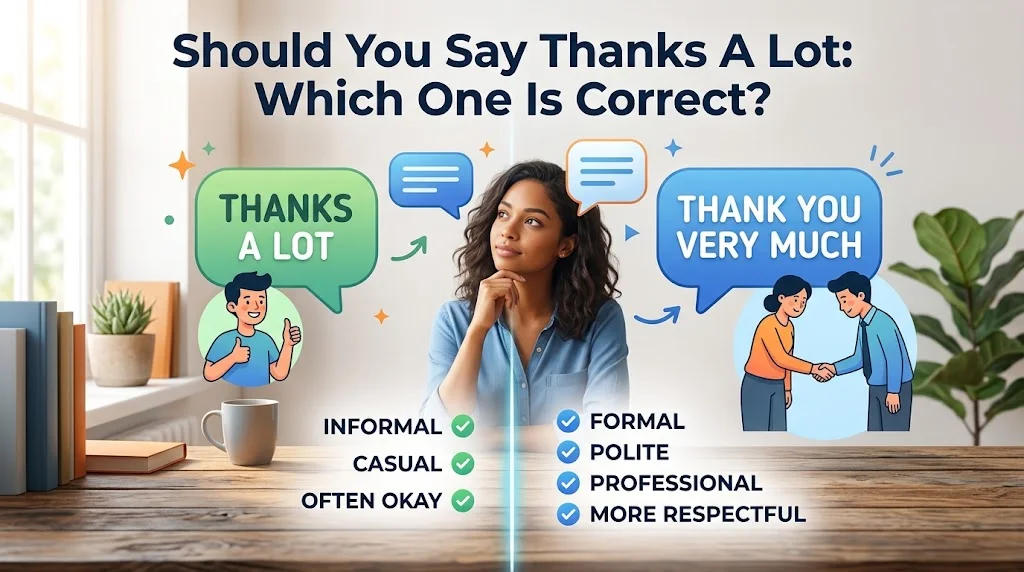
“Should you say thanks a lot?” is a common English-language question because the phrase can sound friendly, grateful, sarcastic, or even slightly annoyed depending on … Read More
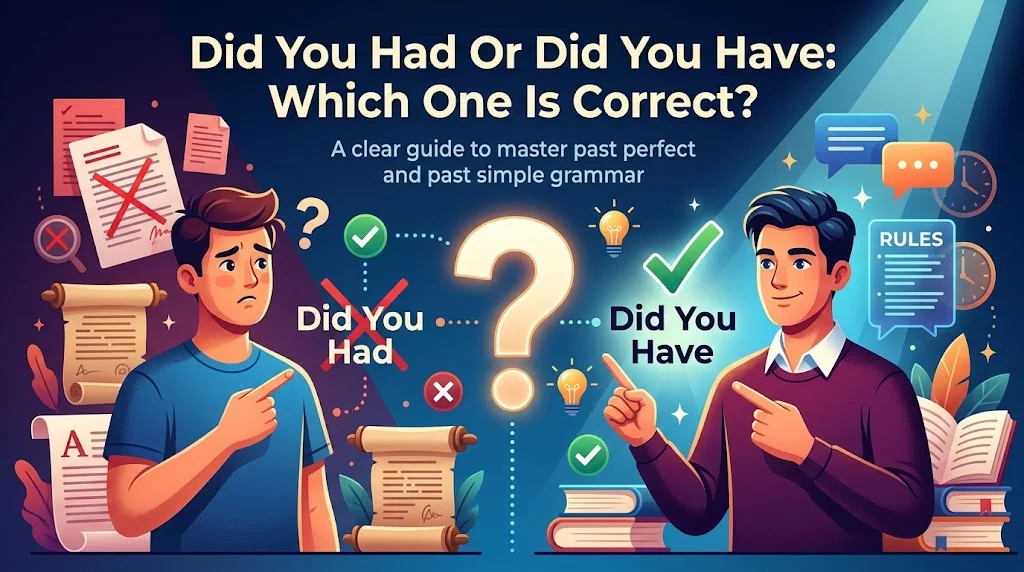
“Did you had” and “did you have” may look similar, but only one is grammatically correct in standard English. The confusion happens because did already … Read More
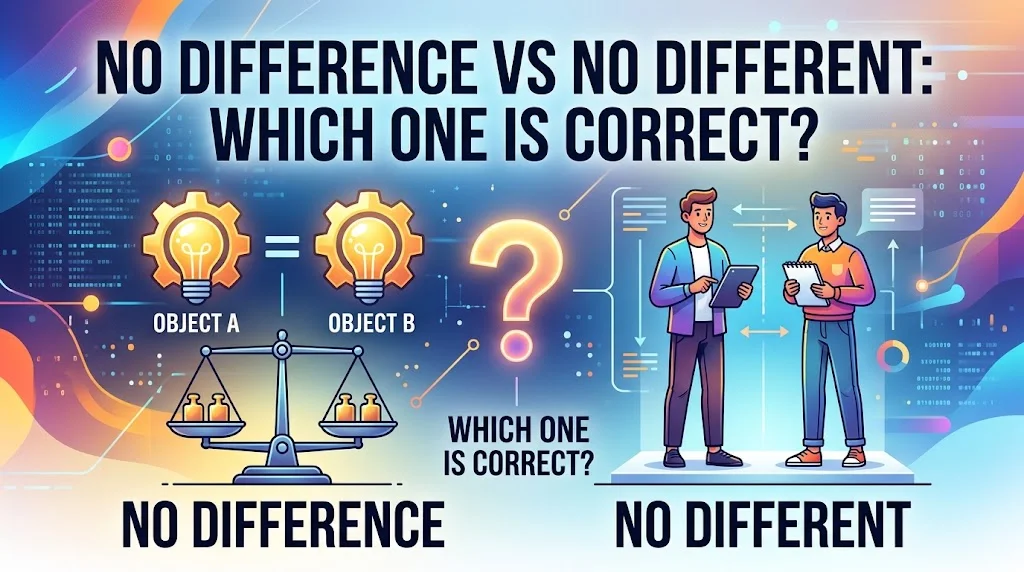
“No difference” and “no different” look almost identical, but they do not work the same way in English. One is a noun phrase used to … Read More
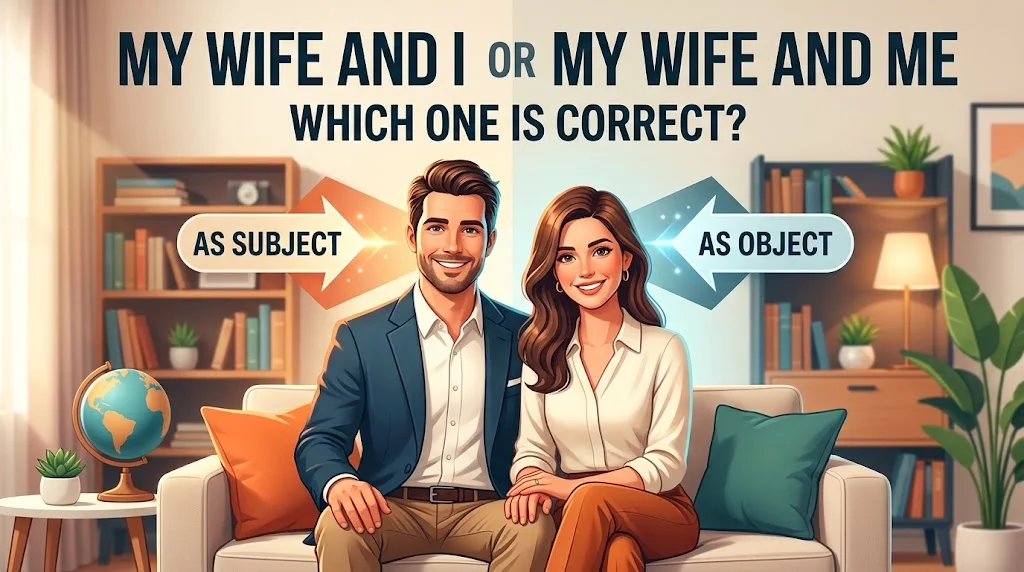
“My wife and I” and “my wife and me” are both grammatically correct, but they are used in different parts of a sentence. The confusion … Read More
“Eventhough” and “even though” look similar, but they are not equally correct. “Even though” is the standard English expression used to introduce a contrast or … Read More
Finding the right words to describe problems can make your writing clearer, stronger, and more memorable. Similes for Problems help readers picture difficult situations by … Read More

MyeGrammer is your trusted guide to better grammar and clearer writing. We provide simple, practical, and easy-to-understand grammar tips to help you write with confidence and communicate your ideas more effectively.
Contact Us