
30 Unique Powerful Similes for Death to Elevate Your Words (2026)
These similes compare death with familiar experiences, natural events, and powerful images to make your words more meaningful. In this guide, you will discover creative … Read More
These similes compare death with familiar experiences, natural events, and powerful images to make your words more meaningful. In this guide, you will discover creative … Read More
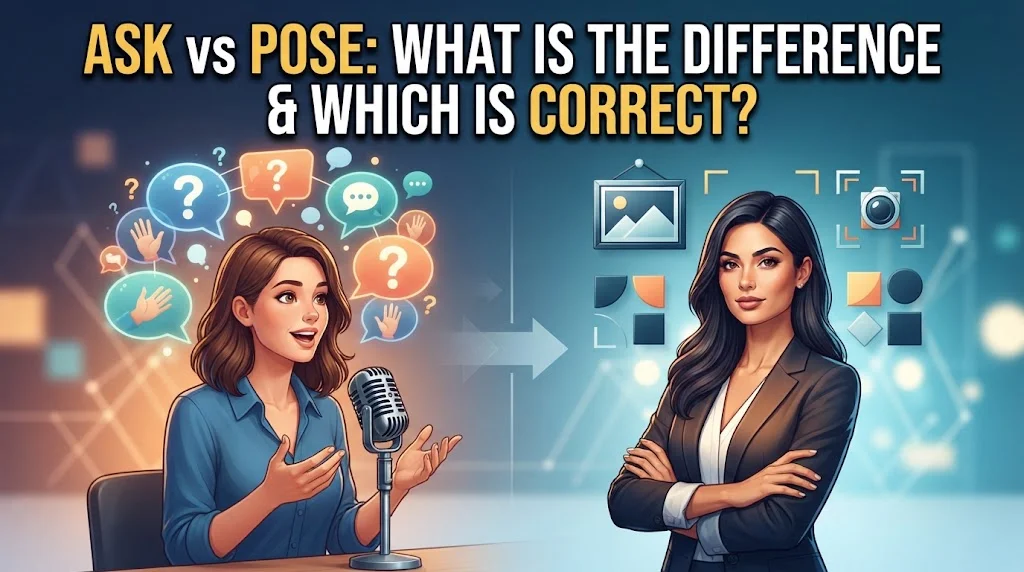
We use “ask” when requesting information, help, or permission, while “pose” often means presenting a question, problem, or challenge for consideration. Understanding the difference between … Read More
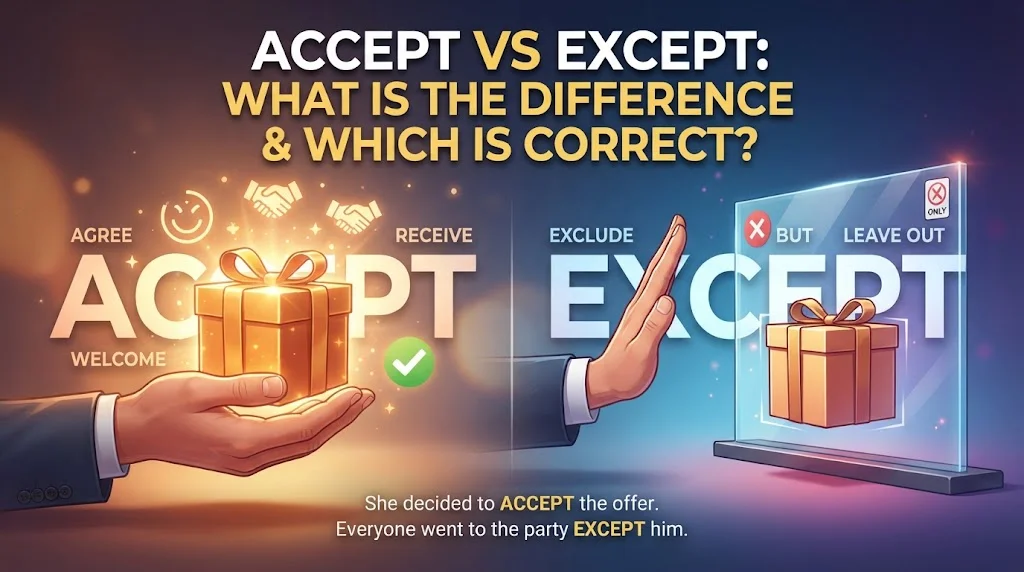
Accept vs except is a common grammar comparison that confuses many English learners because these words sound similar but have completely different meanings. Accept means … Read More
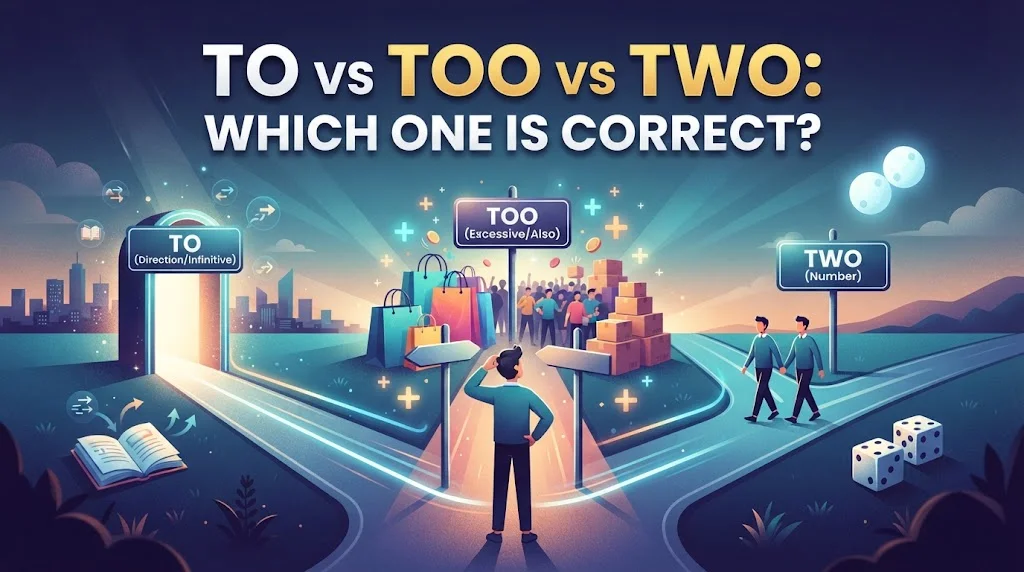
To, too, and two sound exactly alike, but they have different meanings and uses in English. These commonly confused words can make writing difficult for … Read More
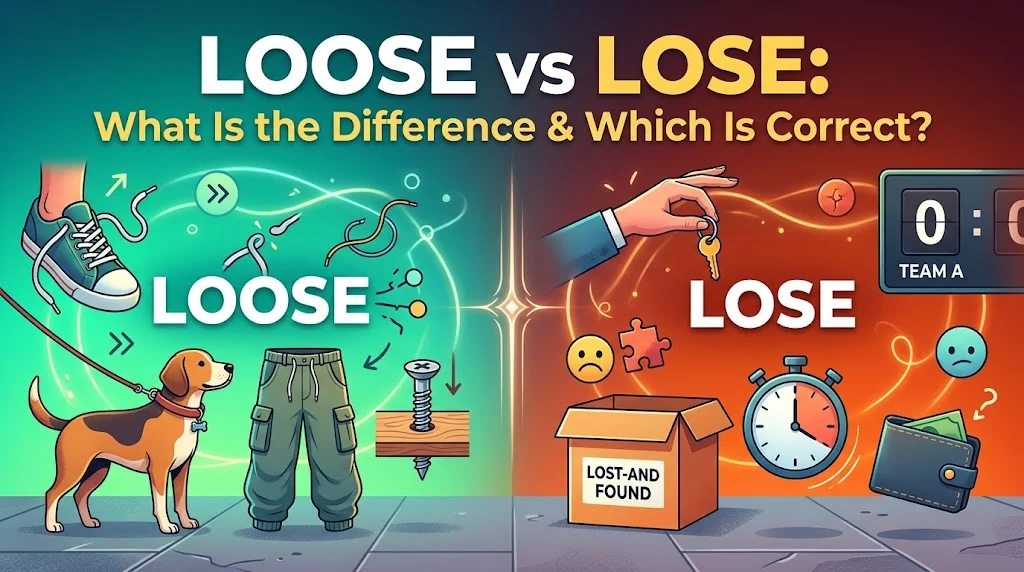
Loose vs Lose is a common English confusion because these words look and sound somewhat similar but have completely different meanings. Loose usually describes something … Read More
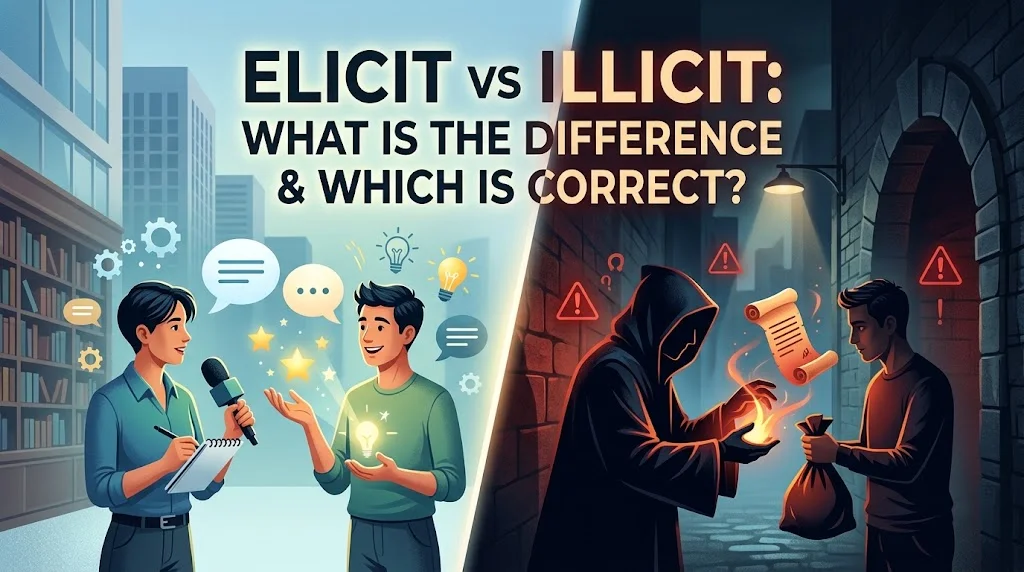
“Elicit” and “illicit” sound similar, but they have completely different meanings and grammatical uses. Elicit is a verb meaning to draw out a response, information, … Read More
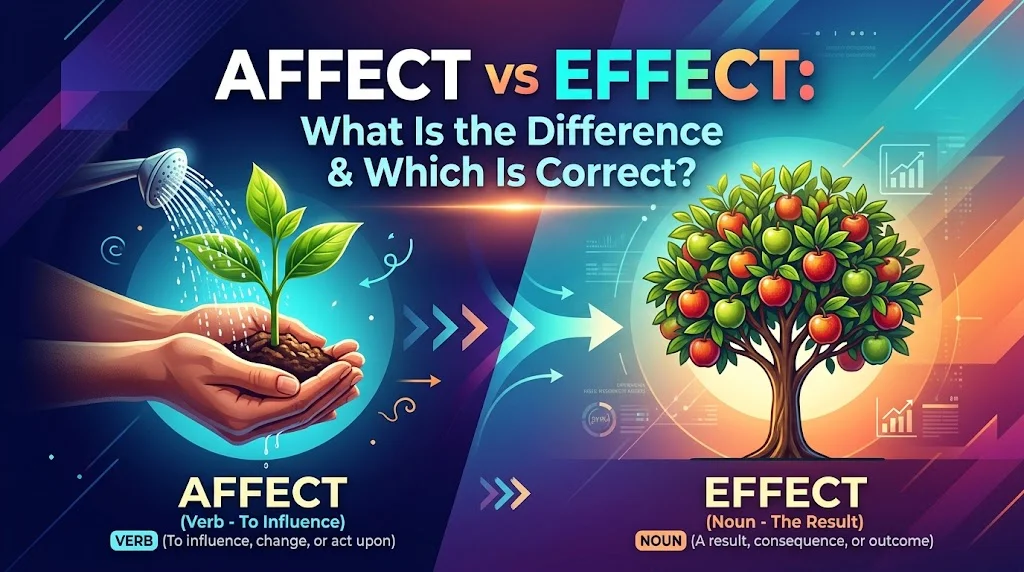
Affect vs Effect is one of the most common word-choice challenges in English. Although these words look and sound similar, they usually serve different grammatical … Read More
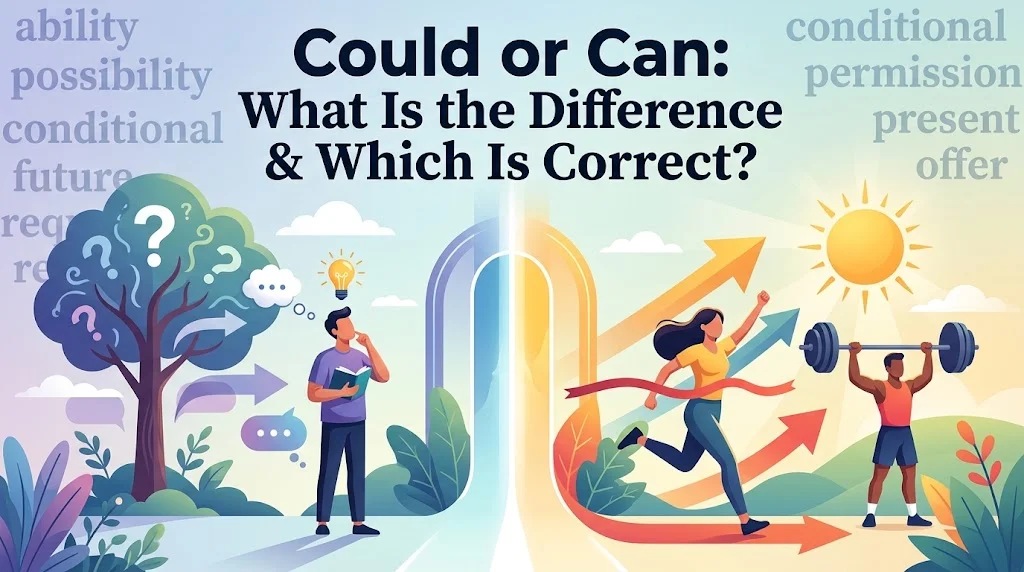
“Could” and “can” are both modal verbs, but they do not always mean the same thing. Can usually expresses present ability, possibility, permission, or a … Read More
Autumn gives writers a rich palette of golden leaves, crisp air, misty mornings, warm sunlight, and quiet evenings. Beautiful similes for autumn help turn these … Read More
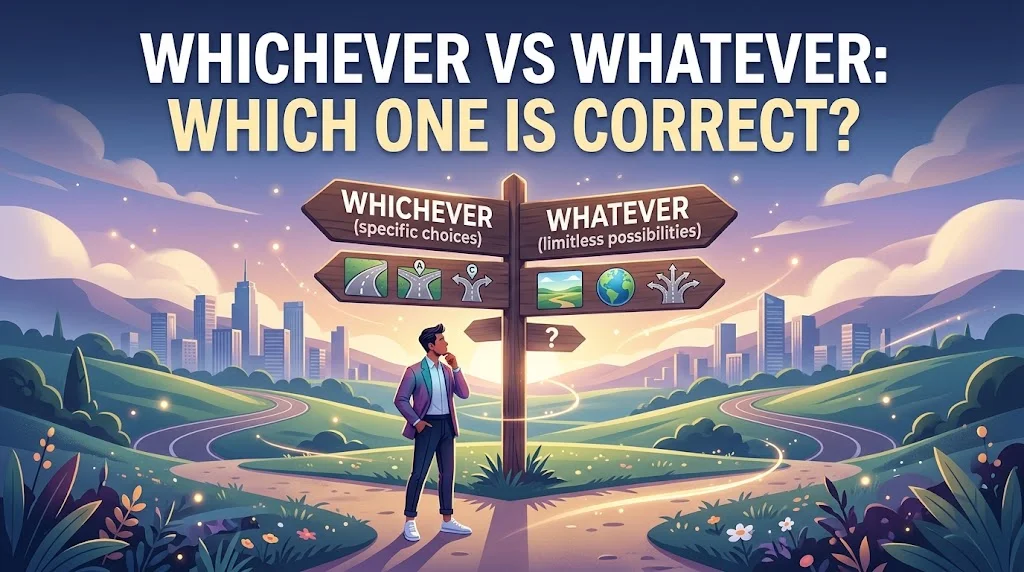
“Whichever” and “whatever” can both refer to a choice or an unspecified thing, but they do not mean the same thing. The key difference is … Read More

MyeGrammer is your trusted guide to better grammar and clearer writing. We provide simple, practical, and easy-to-understand grammar tips to help you write with confidence and communicate your ideas more effectively.
Contact Us