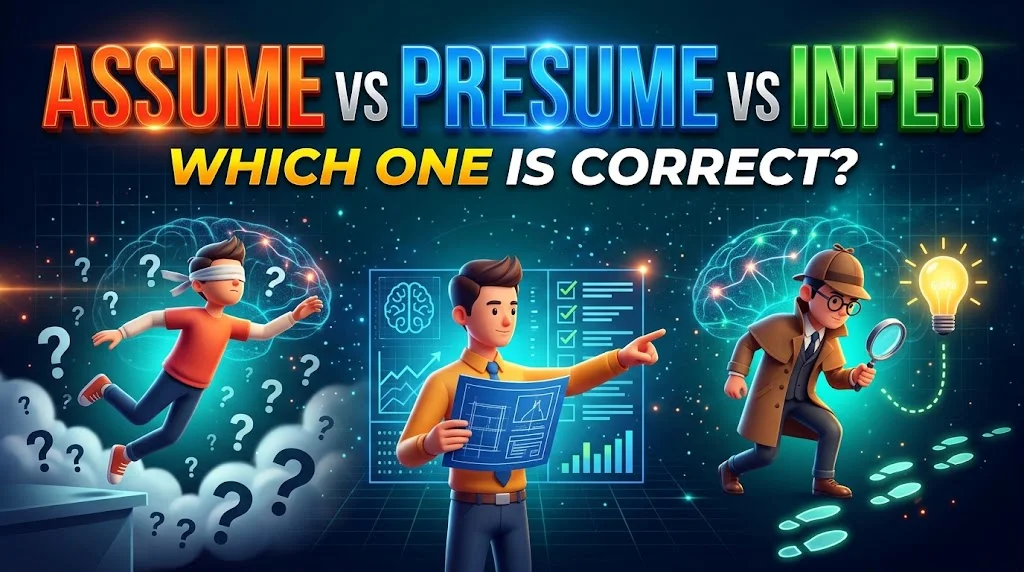
Assume Vs Presume Vs Infer: Which One is Correct?
“Assume,” “presume,” and “infer” all involve forming an idea without having every detail directly stated, but they are not interchangeable. Assume vs. presume vs. infer … Read More
“Assume,” “presume,” and “infer” all involve forming an idea without having every detail directly stated, but they are not interchangeable. Assume vs. presume vs. infer … Read More
Understanding neither vs either can be confusing because both words refer to two choices, people, or things. However, they express opposite ideas: either usually presents … Read More
“Annual,” “yearly,” and “every year” all relate to something that happens once each year, but they are not always interchangeable. Understanding the small differences between … Read More
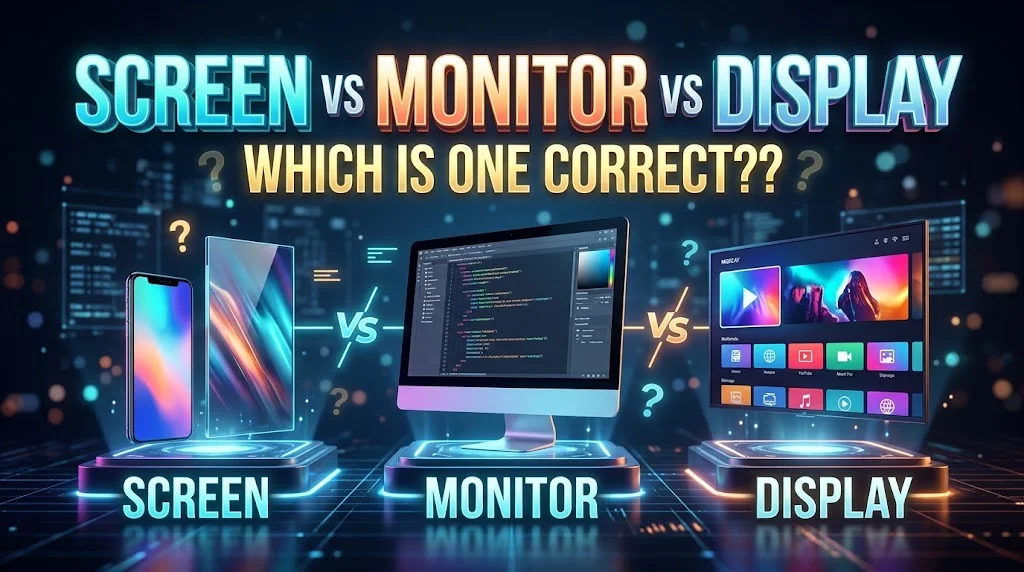
When discussing computers, televisions, phones, and other electronic devices, the words screen, monitor, and display are often used interchangeably. However, they do not always mean … Read More
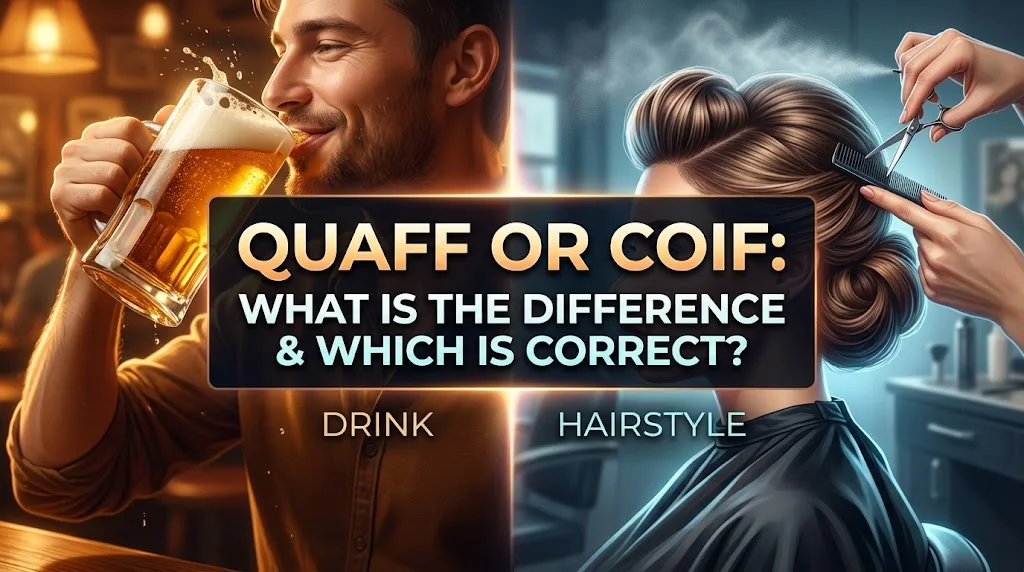
“Quaff” and “coif” look and sound somewhat similar, but they have completely different meanings and grammatical uses. Quaff is a verb associated with drinking, while … Read More
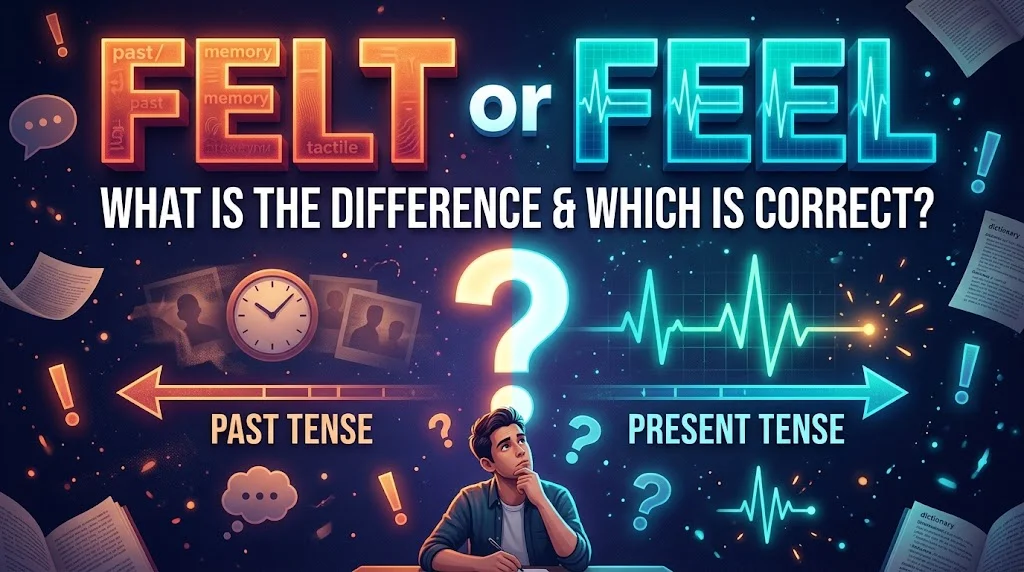
“Felt” and “feel” are both forms of the verb feel, but they are used in different grammatical situations. Understanding the difference can help you speak … Read More
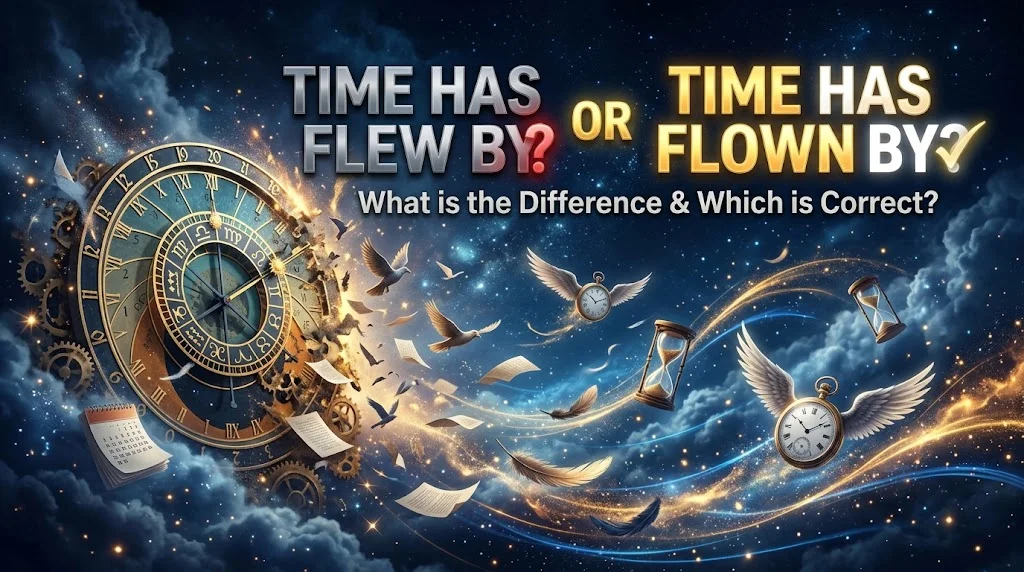
Many English learners wonder whether they should say “time has flew by” or “time has flown by.” These phrases look similar, but only one is … Read More
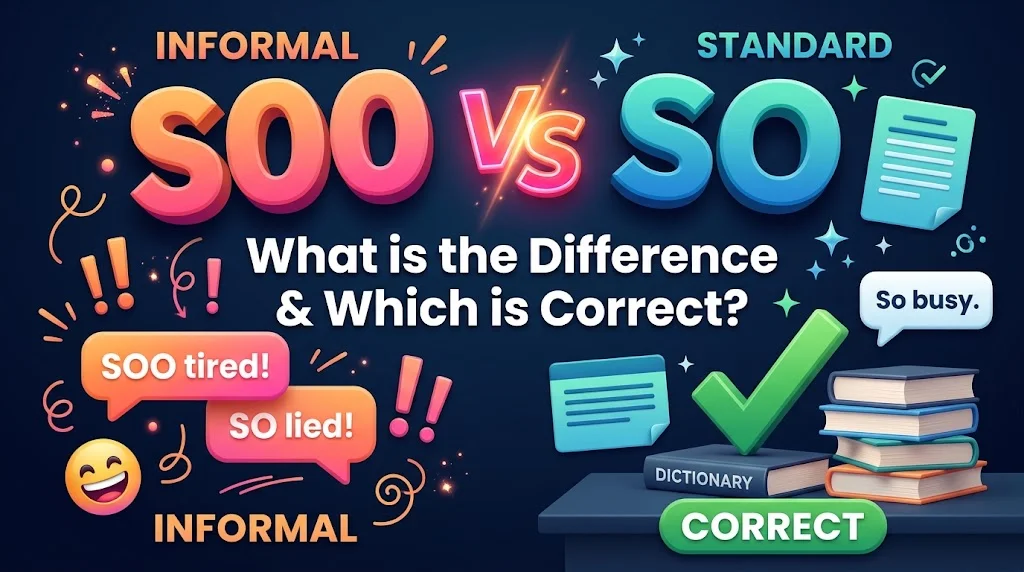
Soo vs So is a common comparison for English learners because the two forms look almost identical, but they do not have the same status … Read More
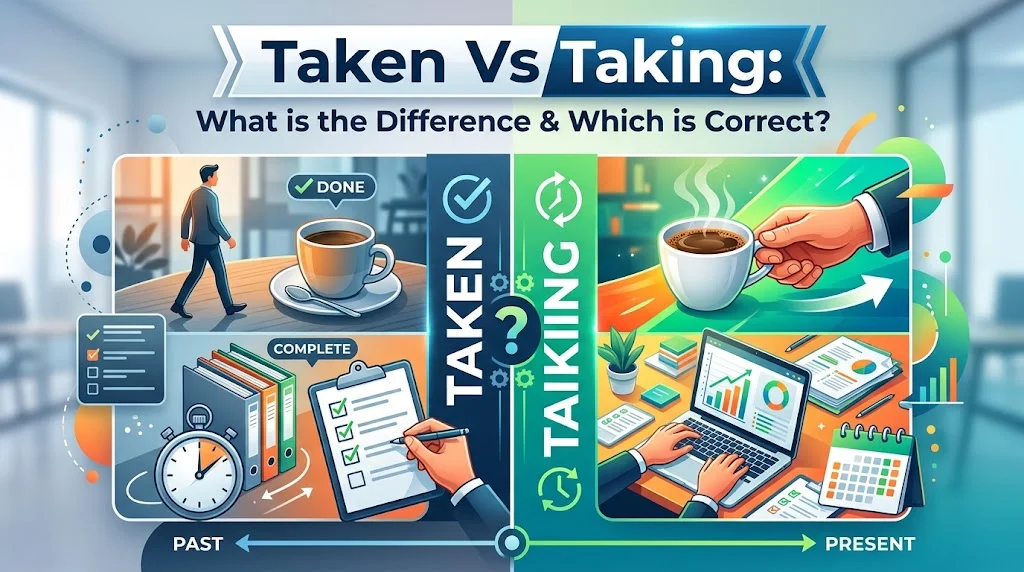
Taken vs taking can be confusing because both forms come from the verb take, but they work differently in sentences. Taken is the past participle, … Read More
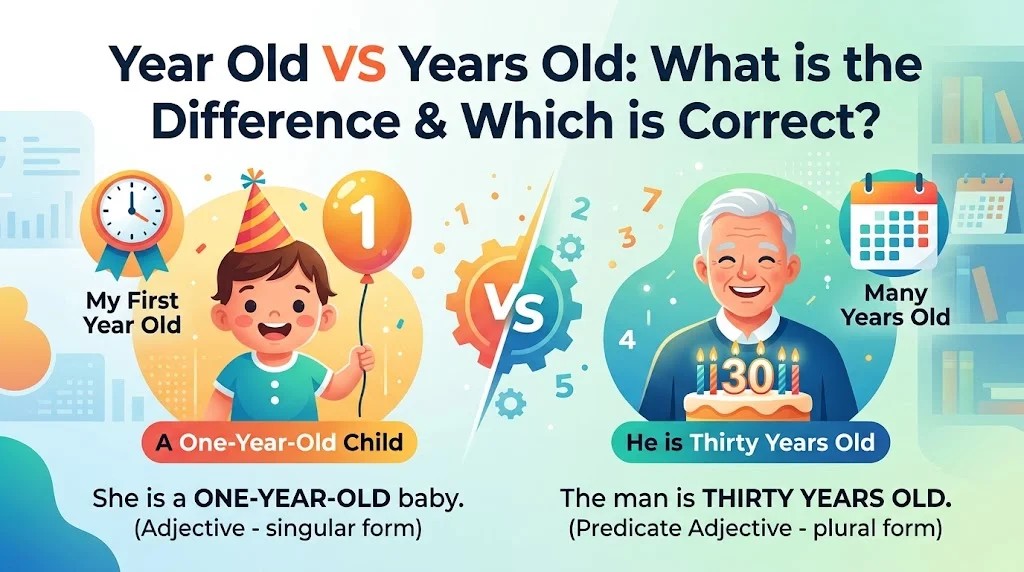
“Year old” and “years old” are closely related expressions used to describe age, but choosing between them depends on grammar and sentence structure. The difference … Read More

MyeGrammer is your trusted guide to better grammar and clearer writing. We provide simple, practical, and easy-to-understand grammar tips to help you write with confidence and communicate your ideas more effectively.
Contact Us