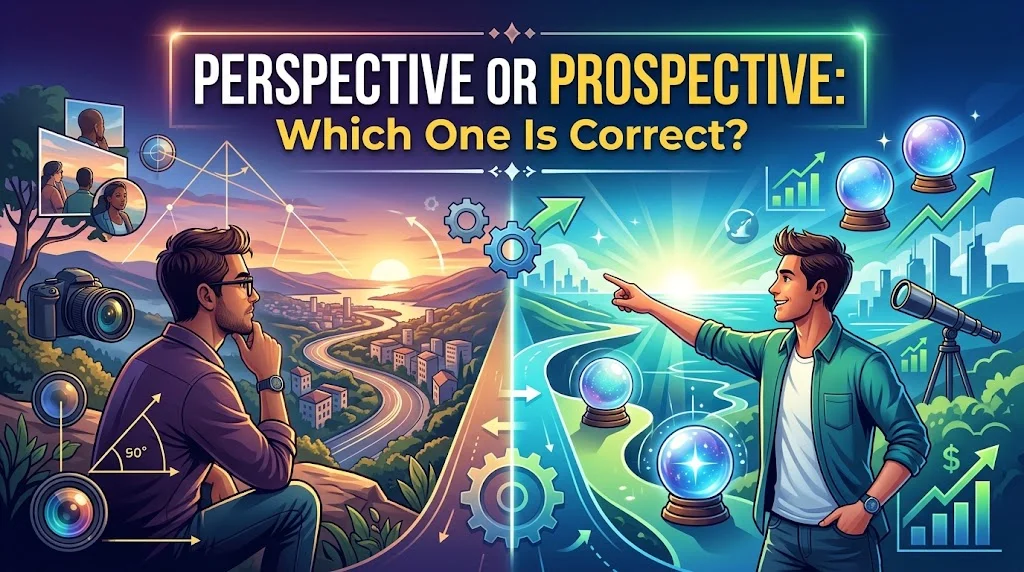
Perspective or Prospective: Which One Is Correct?
“Perspective” and “prospective” look and sound similar, but they have different meanings and grammatical uses. Perspective usually refers to a point of view, way of … Read More
“Perspective” and “prospective” look and sound similar, but they have different meanings and grammatical uses. Perspective usually refers to a point of view, way of … Read More
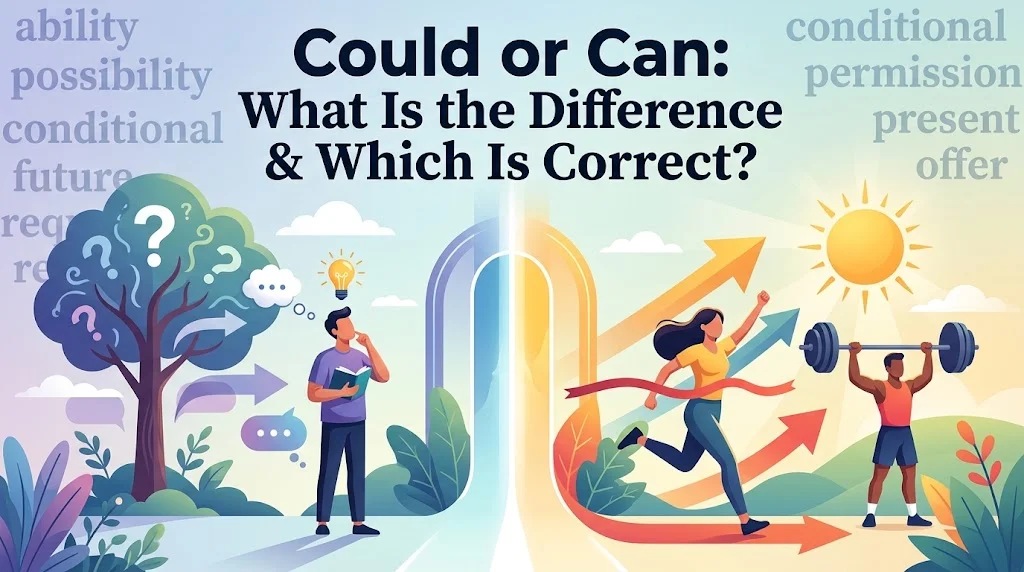
“Could” and “can” are both modal verbs, but they do not always mean the same thing. Can usually expresses present ability, possibility, permission, or a … Read More
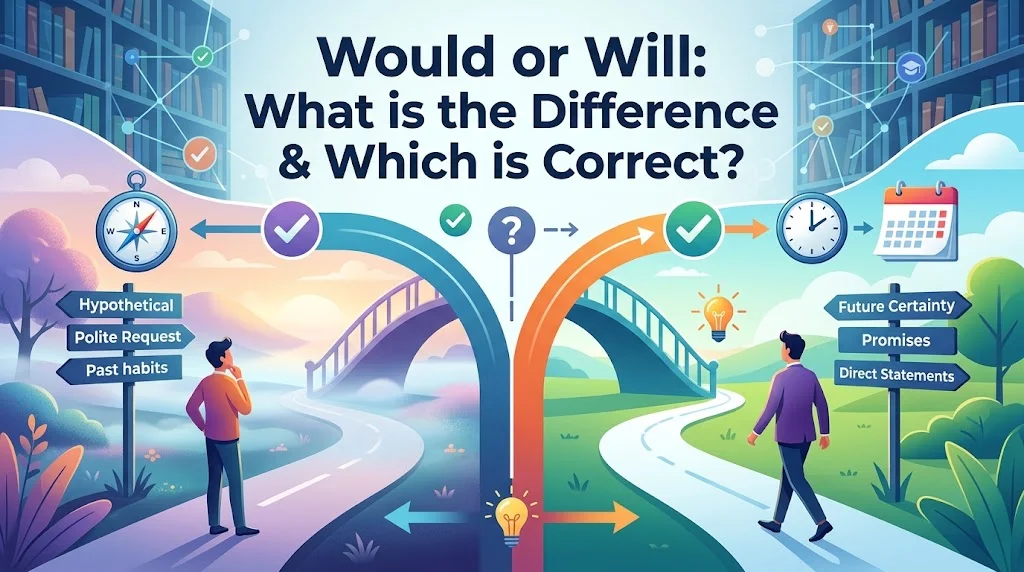
“Would” and “will” are both modal verbs that help us talk about the future, intentions, possibilities, requests, and imagined situations. However, they do not always … Read More
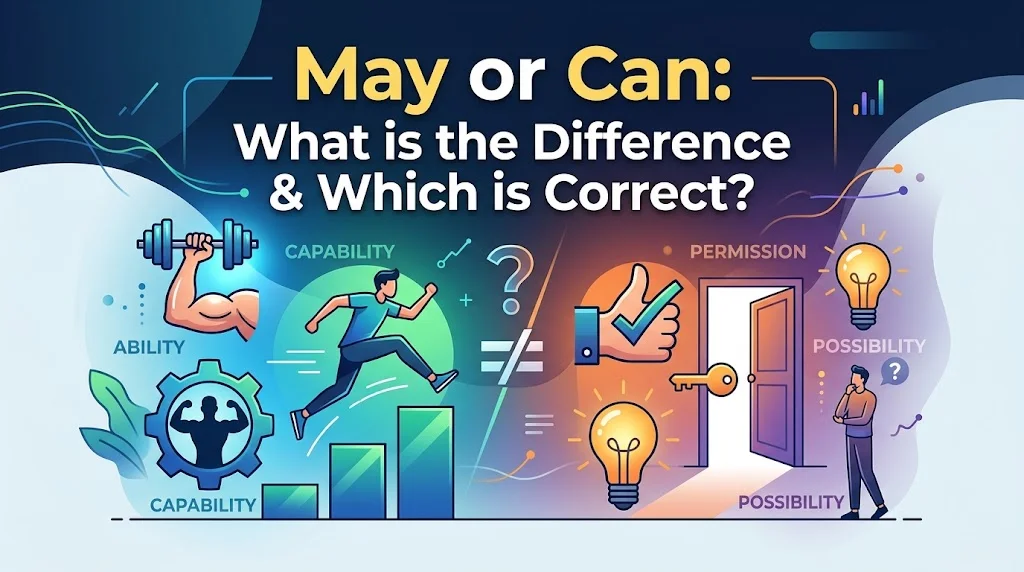
“May” and “can” are both common English words used when talking about possibility and permission, but they do not always mean the same thing. Understanding … Read More

Autumn gives writers a rich palette of golden leaves, crisp air, misty mornings, warm sunlight, and quiet evenings. Beautiful similes for autumn help turn these … Read More
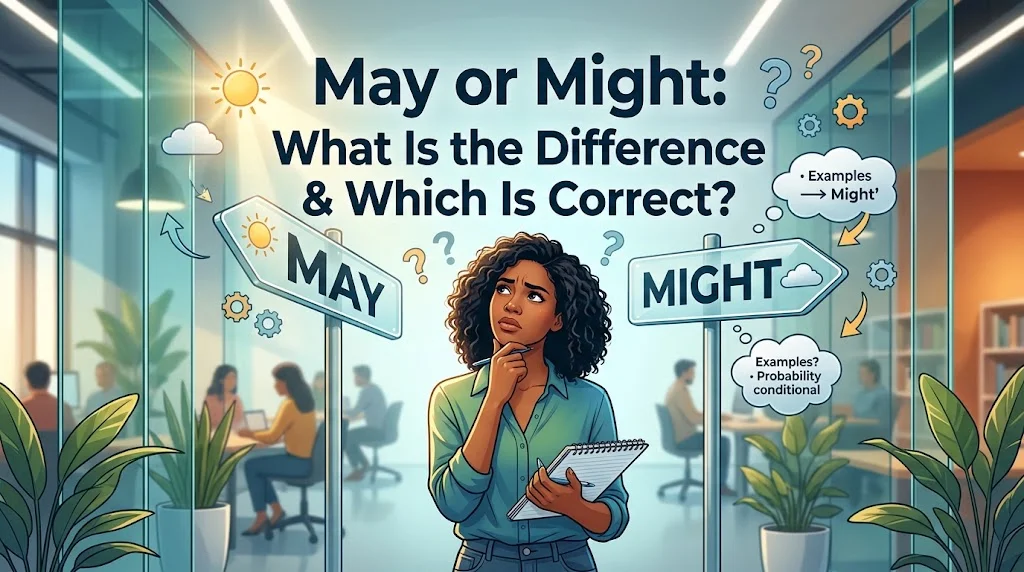
May and might are modal verbs that often create confusion because they can both describe possibility. However, they are not always interchangeable. Understanding the difference … Read More

Finding the right words to describe something easy can make your writing clearer, more vivid, and more memorable. This guide explores 50 of the best … Read More
Finding the right words to describe anxiety can make your writing more vivid, relatable, and emotionally powerful. Best Similes for Anxiety help readers picture nervousness … Read More
Choosing between quieter and more quiet can feel confusing because both forms can function as comparatives of quiet. In most everyday English, quieter sounds more … Read More
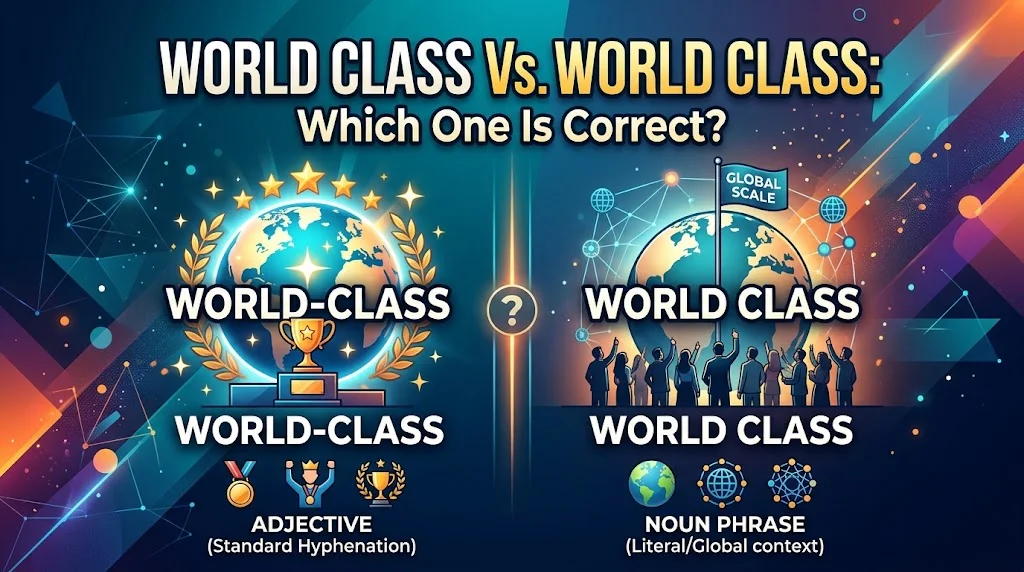
“World class” and “world class” are the same words in the same order, so there is no difference in meaning between them. The important issue … Read More

MyeGrammer is your trusted guide to better grammar and clearer writing. We provide simple, practical, and easy-to-understand grammar tips to help you write with confidence and communicate your ideas more effectively.
Contact Us