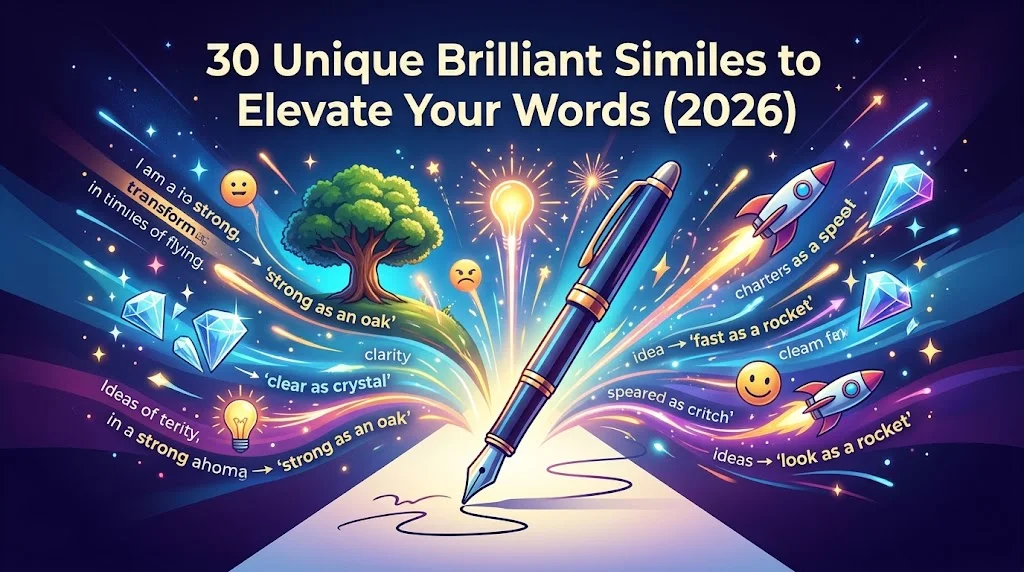
30 Unique Brilliant Similes to Elevate Your Words (2026)
Finding fresh ways to describe something perfect can make your writing more vivid, memorable, and expressive. Instead of repeatedly using words such as flawless, ideal, … Read More
Finding fresh ways to describe something perfect can make your writing more vivid, memorable, and expressive. Instead of repeatedly using words such as flawless, ideal, … Read More
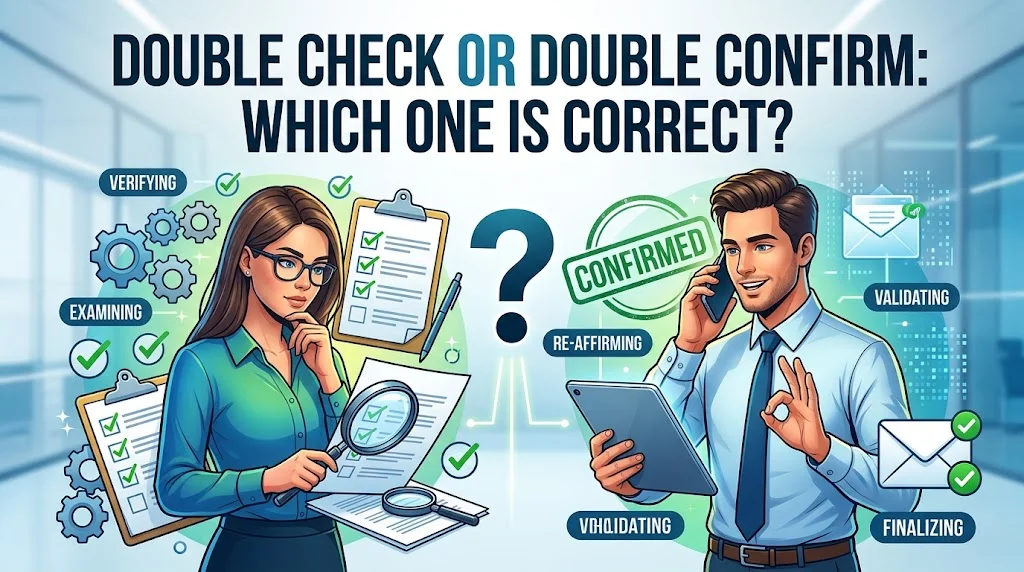
“Double check” and “double confirm” both suggest making sure something is correct, but they are not equally natural in standard English. Double-check is the established … Read More

Crying can express grief, relief, fear, joy, loneliness, or overwhelming emotion, but simply writing “she cried” may not capture the feeling. Similes for Crying help … Read More
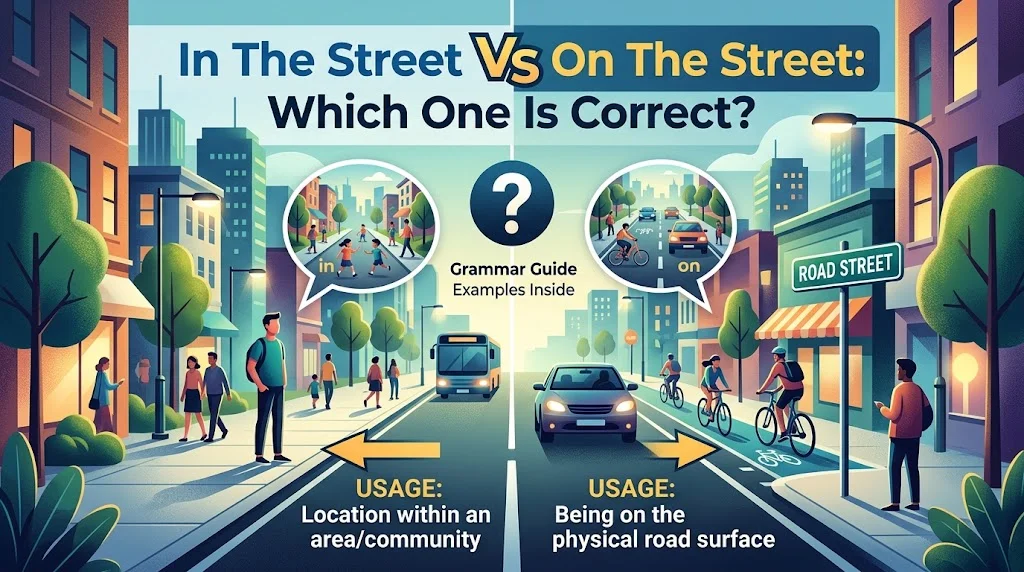
Understanding “in the street” vs. “on the street” can be confusing because both phrases are grammatically correct, but they are used in different contexts. The … Read More

“Setup” and “set up” look almost identical, but they play different grammatical roles. The key difference is simple: setup is usually a noun or adjective, … Read More
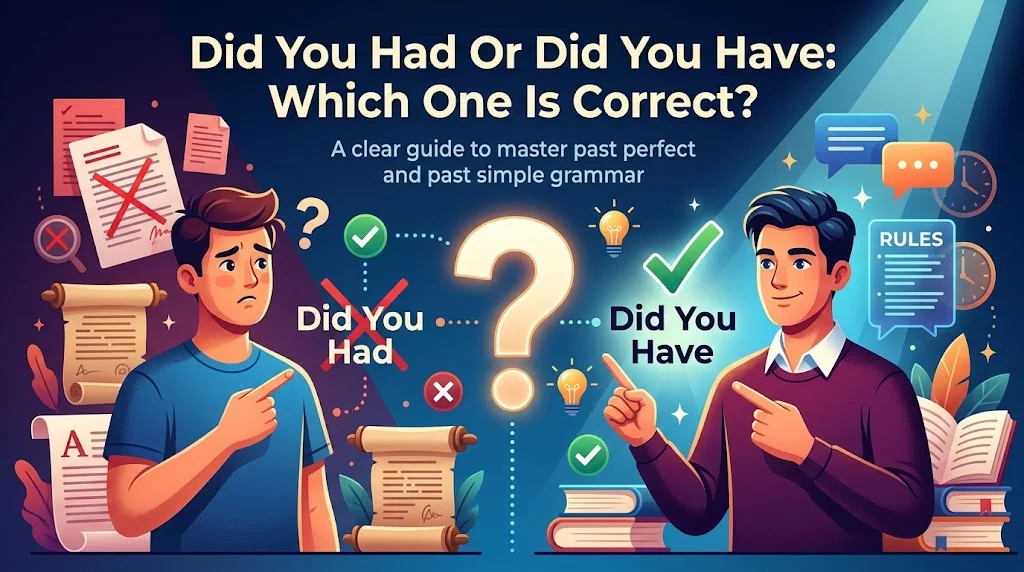
“Did you had” and “did you have” may look similar, but only one is grammatically correct in standard English. The confusion happens because did already … Read More
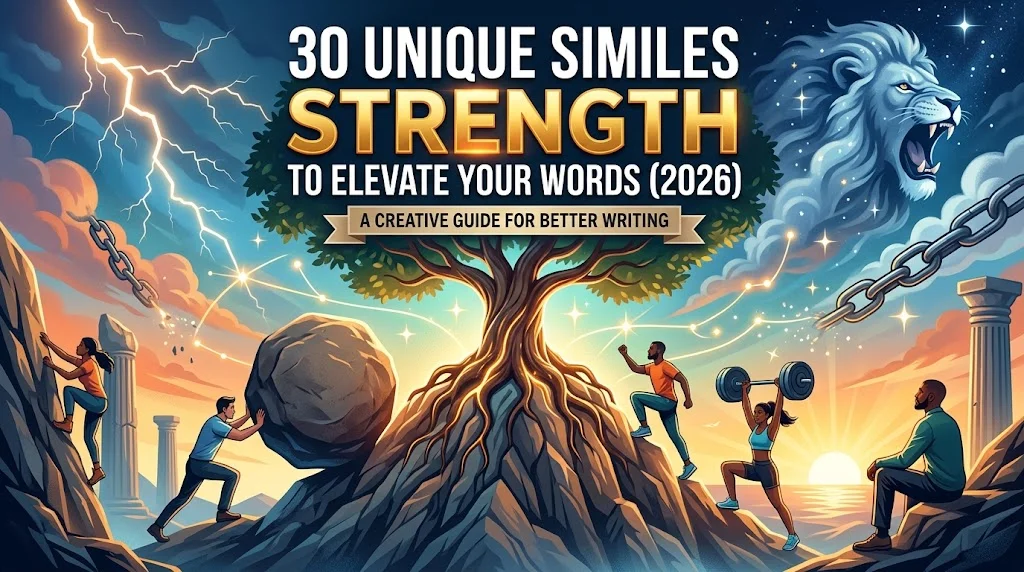
Finding the right similes for strength can make ordinary descriptions more vivid, memorable, and powerful. Simply saying that someone or something is strong, a well-chosen … Read More
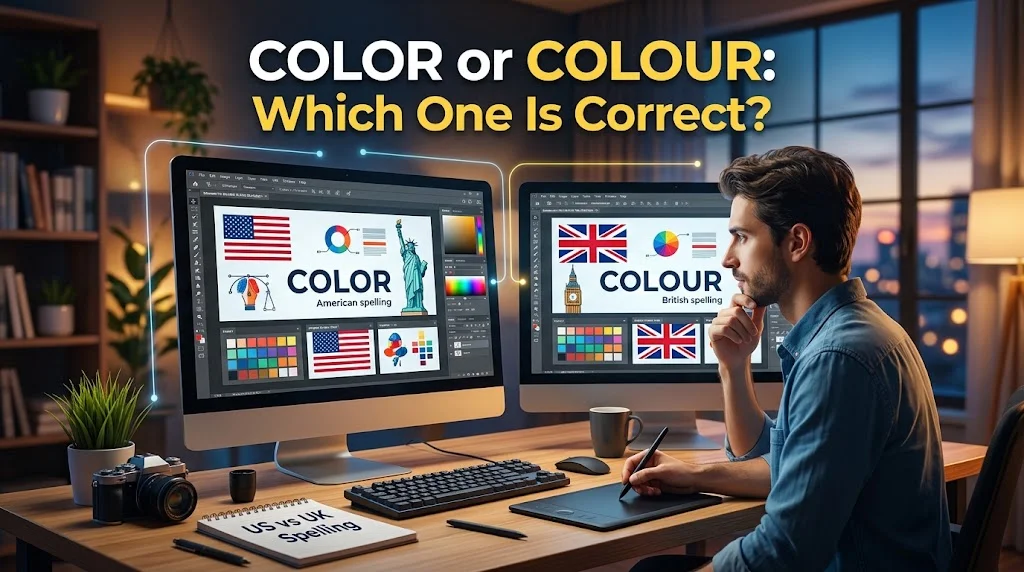
“Colour” and “colour” have the same meaning, but they follow different spelling conventions. The main difference comes from regional English: colour is standard American English, … Read More

Sale and sail sound the same, but they have completely different meanings and uses. Sale relates to selling goods or services, while sail usually refers … Read More
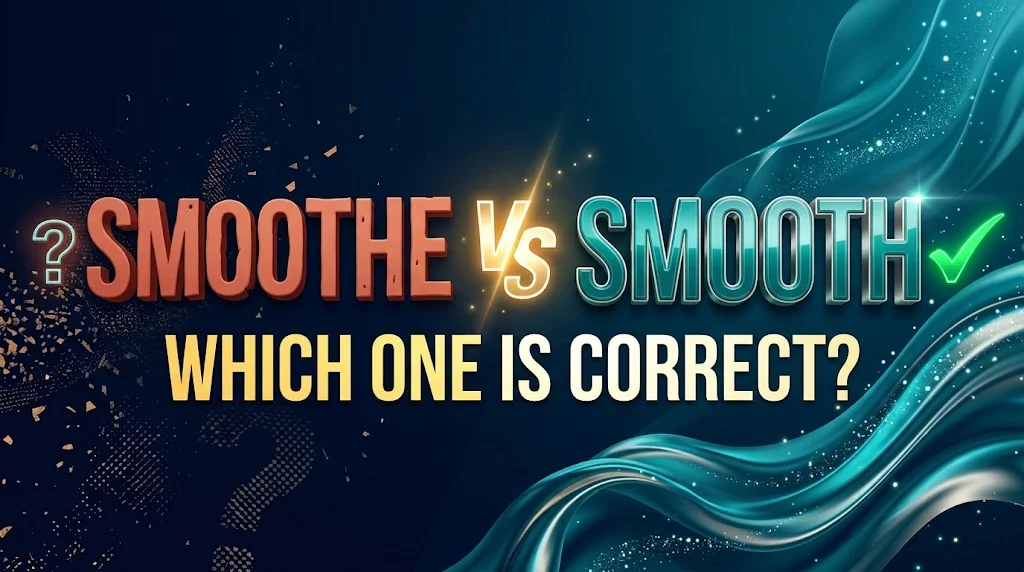
“Smoothe” and “smooth” look almost identical, so it is easy to wonder whether both are correct. In modern English, however, smooth is the standard and … Read More

MyeGrammer is your trusted guide to better grammar and clearer writing. We provide simple, practical, and easy-to-understand grammar tips to help you write with confidence and communicate your ideas more effectively.
Contact Us